2026-08-28 ·
Why Old Norristown Row Homes Develop Hidden Water Leaks
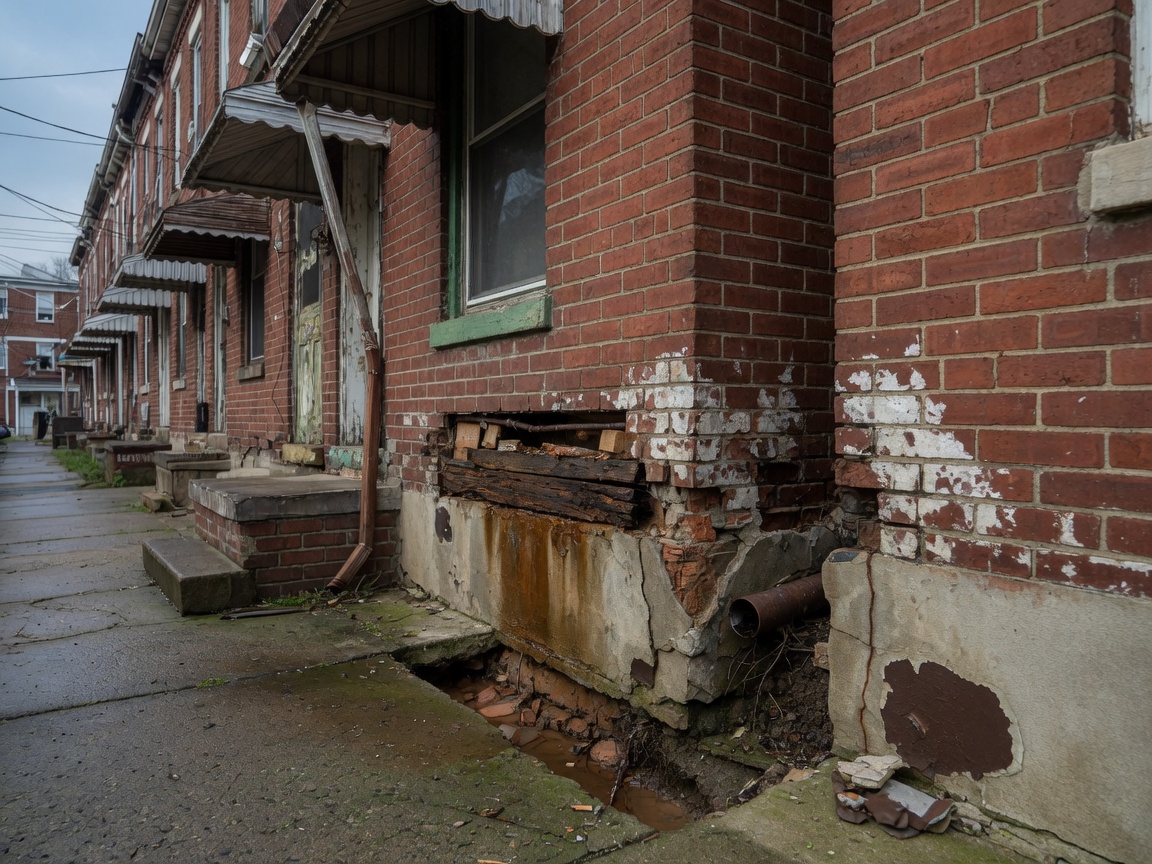
Old Norristown row homes develop hidden water leaks mainly because cast iron and galvanized steel pipes installed 70 to 100 years ago corrode from the inside while the humid subtropical summers accelerate joint failures in neighborhoods such as East Norristown, West Norristown, Elmwood Park, and Hancock.
Aging Cast Iron and Galvanized Lines in Row Homes
Most row homes along streets near the Montgomery County Courthouse still rely on the original cast iron stacks and galvanized supply lines that were standard when these blocks were built. These materials develop pinhole leaks after decades of exposure to local water chemistry and the slight ground movement common along the Schuylkill River Trail. Once corrosion starts inside the pipe wall, water seeps slowly into plaster or behind brick without visible surface damage until floors or ceilings stain. Homeowners in Elmwood Park often notice the first signs only after a small damp spot appears near baseboards during the hottest weeks of summer.
How Hot Humid Summers Speed Up Hidden Failures
Montgomery County's humid subtropical summers push indoor humidity high enough to keep pipe joints constantly damp, which speeds external rust on any exposed galvanized sections. The repeated expansion and contraction from daily temperature swings also loosens threaded connections that were never designed for modern water pressure. In West Norristown blocks closer to Pottstown Road, soil around foundations holds more moisture after heavy summer storms, allowing water to migrate along pipe trenches and reach older fittings. This combination explains why leaks often appear first in basements or first-floor walls during July and August rather than in drier months.
Typical Leak Locations Inside Norristown Row Homes
Hidden leaks most often occur where supply lines branch off the main stack to serve upstairs bathrooms or where the original 40-gallon or 50-gallon water heater connects to galvanized risers. In Hancock row homes, the shared walls between units mean a leak on one side can travel horizontally before it shows up on the neighboring property. Kitchens near the rear of these narrow homes frequently hide leaks under sinks because the original shutoff valves sit in tight spaces with poor ventilation. Checking the area around the water heater for rust streaks or listening for faint running water when fixtures are off helps catch problems before they reach finished floors.
Readers dealing with suspected pipe corrosion can learn more in Cast Iron and Terra Cotta: What Montgomery County Homeowners Should Know. Those noticing temperature fluctuations or rusty water should also review How to Spot a Failing Water Heater Before It Floods Your Basement.
Practical Steps for Early Leak Detection
Start by monitoring the water meter for movement when all fixtures are off, then inspect visible pipe runs in the basement for discoloration or flaking. In older Elmwood Park homes, checking the area around the water heater supply lines often reveals the first signs of trouble because heat accelerates corrosion at those connections. Professional leak detection uses acoustic tools and moisture meters that locate moisture behind walls without demolition. Addressing small leaks early prevents the need for larger whole house repiping later when multiple lines fail at once.
Feliciani and Son Plumbing operates from 362 W Main St, Norristown, PA 19401 and regularly works on these exact conditions throughout East Norriton and surrounding Montgomery County neighborhoods.